Login Form
History—Russia (1920s and 30s)
The death of Lenin in 1924 and the show trials and purges under Stalin lead to famine as well as industrialization and collectivism.
- Details
- Parent Category: Historic Impact
- Category: History—Russia (1920s and 30s)
With the death of Lenin in 1924, a struggle for leadership of the Communist Party commenced leading to the elevation of Josef Stalin and the beginning of a reign of terror as he purged the Party of old Bolsheviks and sought to modernize Russia through agricultural collectivization and despotic violence against intellectuals and the old middle classes.
- Details
- Parent Category: Historic Impact
- Category: History—Russia (1920s and 30s)
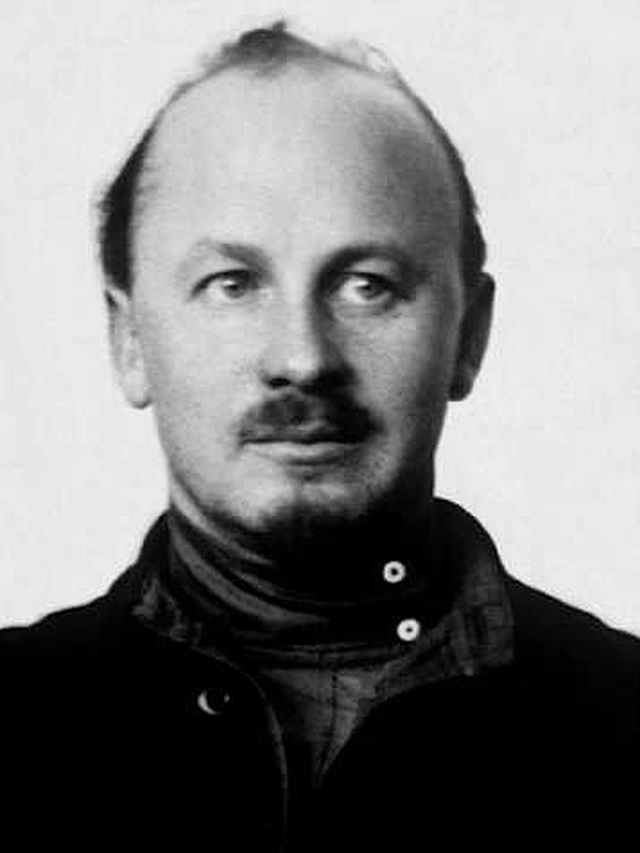
Nikolai Ivanovich Bukharin[a] (9 October [O.S. 27 September] 1888 – 15 March 1938) was a Bolshevik revolutionary, Soviet Union politician and prolific author on revolutionary theory.
As a young man, he spent six years in exile working closely with fellow exiles Vladimir Lenin and Leon Trotsky. After the revolution of February 1917, he returned to Moscow, where his Bolshevik credentials earned him a high rank in the Bolshevik party and after the October Revolution became editor of the party newspaper Pravda.
- Details
- Parent Category: Historic Impact
- Category: History—Russia (1920s and 30s)
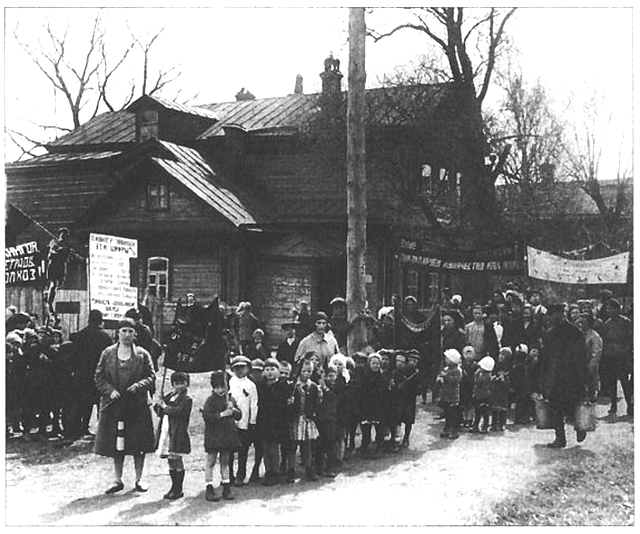
Dekulakization(Russian: раскулачивание, raskulachivanie; Ukrainian: розкуркулення, rozkurkulennia) was the Soviet campaign of political repressions, including arrests, deportations, and executions of millions of prosperous peasants and their families in the 1929–1932 period of the first five-year plan. To facilitate the expropriations of farmland, the Soviet government portrayed kulaks as class enemies of the USSR.
- Details
- Parent Category: Historic Impact
- Category: History—Russia (1920s and 30s)

Joseph Stalin was the General Secretary of the Communist Party of the Soviet Union's Central Committee from 1922 until his death in 1953. In the years following the death of Vladimir Lenin in 1924, Stalin rose to become the leader of the Soviet Union.
- Details
- Parent Category: Historic Impact
- Category: History—Russia (1920s and 30s)
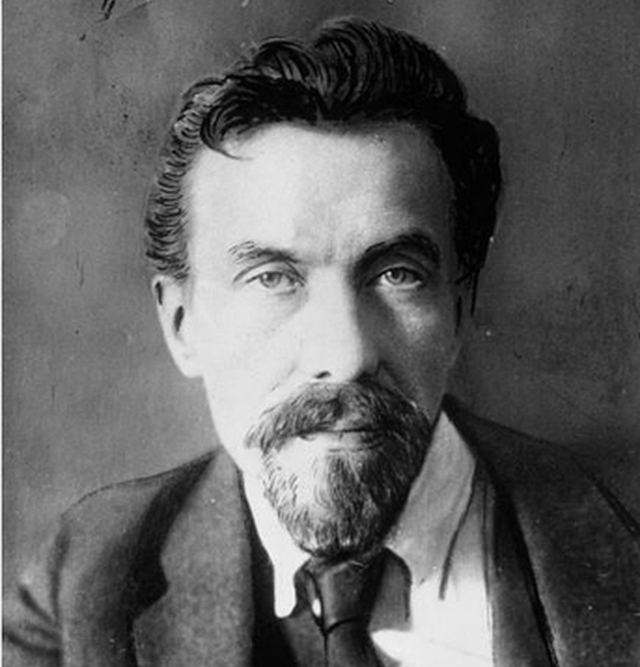
Alexei Ivanovich Rykov[a] (25 February 1881 – 15 March 1938) was a Russian Bolshevik revolutionary and a Soviet politician most prominent as Premier of Russia and the Soviet Union from 1924 to 1929 and 1924 to 1930 respectively.[2]